EMDR Therapy in
Indianapolis, IN
Accentus Mental Health
If you are living with the effects of trauma or PTSD, EMDR therapy offers a structured, evidence-based path forward. At Accentus Mental Health, we provide EMDR alongside our full range of psychotherapy services for clients throughout the Indianapolis area. Unlike some of our specialty treatments, EMDR is a talk therapy specialty like CBT or DBT, and it is typically covered by most insurance plans.
What Is EMDR Therapy?
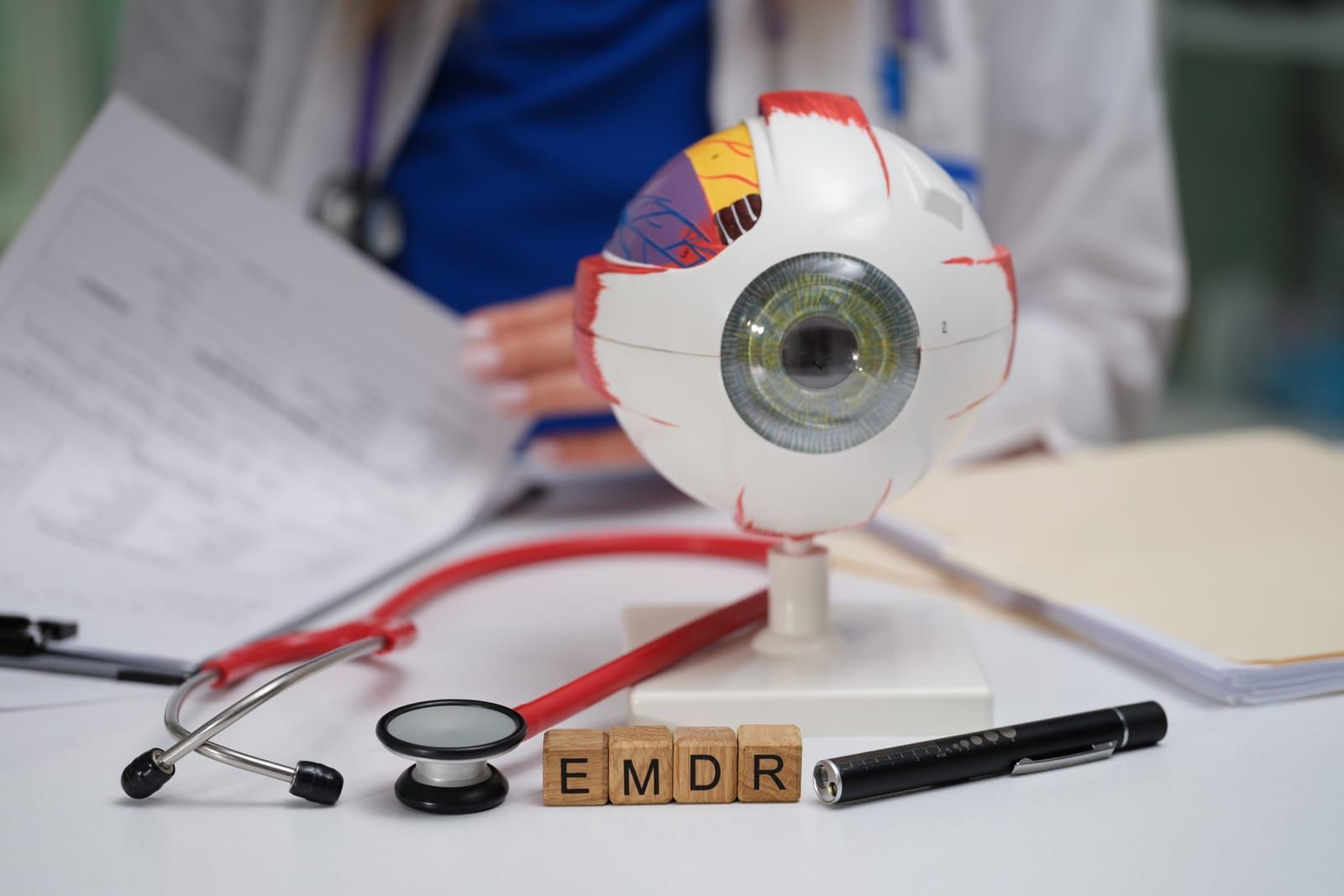
Eye Movement Desensitization and Reprocessing (EMDR) is a structured psychotherapy that helps the brain process memories that have gotten stuck. Developed by psychologist Francine Shapiro in the late 1980s, EMDR
is recognized by the American Psychological Association as an evidence-based treatment for PTSD, alongside guidelines from the World Health Organization.
Rather than asking you to talk through every detail of a traumatic memory, EMDR uses bilateral stimulation, most often guided eye movements, while you briefly bring the memory to mind. This alternating stimulation resembles what happens naturally during REM sleep, the stage when the brain is thought to process the day's experiences, and it appears to help distressing memories feel less overwhelming and less likely to intrude on daily life.
Is EMDR Right for You?
EMDR may be worth exploring if:
- A past event still triggers reactions that feel bigger than the situation calls for
- Certain reminders or triggers set off a stronger response than you would expect
- You know logically that something was not your fault, but it still feels that way
- Talk therapy alone has not fully resolved how a memory affects you today
If any of this sounds familiar, our team can talk through whether EMDR is a good fit during a consultation.
Not Sure If Trauma Is Affecting You?
If you are trying to make sense of how a past experience is still affecting you, our PTSD screening tool walks through the symptom categories clinicians look at when evaluating trauma. It takes a few minutes and the results are yours to review.
A screening is a starting point, not a diagnosis. It cannot tell you whether you have PTSD, and it cannot tell you whether EMDR is the right treatment. What it can do is give you clearer language for what you are experiencing, which often makes a first conversation with a therapist easier.


How EMDR Therapy Works
EMDR follows a structured, eight-phase framework developed by the EMDR International Association:
- History and treatment planning: your therapist learns your history and builds a plan
- Preparation: you learn what to expect and build coping tools
- Assessment: you and your therapist identify the memory to target
- Desensitization: bilateral stimulation begins while you focus on the memory
- Installation: a positive belief is strengthened in place of the old one
- Body scan: any remaining physical tension is addressed
- Closure: each session ends by returning you to a calm state
- Reevaluation: future sessions check progress before moving forward
Not every phase is used in every session. Individual sessions typically run for 30-45 minutes and a full treatment plan varies by person and can depend on your history and goals.
What You Can Expect From EMDR Therapy
Working through EMDR with a trained therapist can help you:
- Reduce the emotional intensity of memories that once felt overwhelming
- Respond to everyday triggers with less reactivity
- Build a clearer, steadier relationship with difficult past experiences
- Feel more present in your relationships and daily life
- Move forward without being defined by what happened to you
Who EMDR Can Help
EMDR was originally developed to treat PTSD, and trauma and PTSD remain the primary focus of our EMDR program at Accentus. Beyond PTSD, research has also explored EMDR for a range of related concerns, including complicated
grief, anxiety, phobias, and distressing or intrusive memories. We are expanding our EMDR offerings over time. If you are not sure whether EMDR fits your situation, our team can help you
figure that out during a consultation.


Jennifer Rewerts, LMHC, is our EMDR-trained therapist at Accentus Mental Health. She works with clients using this specialized, evidence-based approach to trauma and PTSD treatment as part of our broader psychotherapy services.
EMDR is billed like any other psychotherapy session, not as a specialty out-of-pocket treatment. Because it is a recognized talk therapy modality alongside approaches like CBT and DBT, it is typically covered by most insurance plans that include mental health benefits, often under standard psychotherapy billing codes. Our team can verify your specific coverage before your first appointment.