Who May Benefit
People with treatment-resistant depression, and some patients with anxiety, PTSD, OCD, or bipolar depression who need a specialist review.
5136 East Stop 11 Rd, Suite 30
Indianapolis, Indiana, 46237
Hours
Mon - Fri: 8am - 5pm
Sat - Sun: Closed
IV ketamine therapy may be worth exploring for people who have not found enough relief with standard approaches. It stands out for its different mechanism, fast timeline for some patients, and structured medical supervision.
People with treatment-resistant depression, and some patients with anxiety, PTSD, OCD, or bipolar depression who need a specialist review.
Unlike standard antidepressants that focus on serotonin or dopamine, ketamine affects glutamate and may support healthier brain connectivity.
Sessions typically last about 40 to 60 minutes. Patients stay awake, are monitored throughout, and need a ride home after treatment.
Only a licensed clinician can decide whether ketamine is appropriate. A full review of history, symptoms, and goals should come first.
For many people living with depression, anxiety, or PTSD, the road to feeling better is anything but straightforward. You try one medication, then another. You adjust the dose. You add therapy. And still, something isn't right. If that experience sounds familiar, you are not alone. But you're not out of options either.
Ketamine therapy is emerging as one of the most promising breakthroughs in modern mental health treatment. It offers real relief to people who haven't responded to traditional treatment approaches like talk therapy and antidepressants.
Ketamine was originally developed as an anesthetic and has been used safely in clinical settings for decades. In recent years, researchers and clinicians have discovered that, when administered at carefully controlled doses, it can produce rapid, meaningful improvements in mood and mental health symptoms. For some patients, symptom relief begins within hours or days of the first ketamine infusion.
What makes ketamine unique is how it works. Unlike traditional antidepressants, which typically target serotonin or dopamine pathways and can take four to six weeks to produce results, ketamine works by influencing glutamate.
Glutamate is a key neurotransmitter involved in brain connectivity and mood regulation. This mechanism promotes the formation of new neural connections, essentially helping the brain "rewire" pathways that depression and trauma have disrupted.
Ketamine therapy isn't for everyone, but it may be the right next step for individuals who find themselves in one of several situations:
The following are fictionalized composite vignettes inspired by common patient experiences and SPRAVATO® stories.
They do not represent specific individuals.
Marcus spent most of his thirties managing what he called "a low hum of darkness.” He could hold down a job and show up for his family, but he rarely felt present for any of it. Over the years, he'd tried four different antidepressants, each with diminishing returns and side effects that created new problems.
After his psychiatrist described his condition as treatment-resistant depression, he began researching alternatives. After his third ketamine infusion, he described the shift as feeling present in his own life for the first time in years, which was something he hadn't realized he was missing until it came back.
Diane came to Accentus following a PTSD diagnosis after a traumatic loss. Traditional medications had taken the edge off, but intrusive thoughts and emotional numbness persisted. She was hesitant about ketamine because she'd heard things that made her nervous. But after a thorough intake consultation, she felt confident in the team's approach.
By her second session, she noticed a meaningful reduction in hypervigilance and emotional reactivity. "It felt like the volume on my fear just turned down," she said.
Sophie had been in and out of therapy since college, managing what she and her providers had long assumed was anxiety. It wasn't until her mid-twenties, after two antidepressants failed to improve her symptoms, that she received a clearer picture: major depressive disorder with a treatment-resistant pattern emerging early. The diagnosis was clarifying but also deflating. She'd hoped the medication adjustments were just a matter of finding the right fit.
A friend who worked in healthcare mentioned ketamine therapy, and Sophie, equal parts curious and cautious, scheduled a consultation. What surprised her most wasn't the speed of the relief (though that was significant); it was how different "okay" felt from what she'd been calling "okay" for years.
Robert had lived with depression long enough that he'd made a kind of peace with it. He'd tried medications in his thirties, gone through periods of therapy, and eventually settled into managing symptoms rather than expecting to ever overcome them.
When his daughter suggested ketamine therapy, his first instinct was skepticism. It sounded, he admitted, like something for people who hadn't tried everything he had. He agreed to a consultation mostly to satisfy her. He decided to give it a try, and after three sessions, he told his daughter it was the first time in twenty years he'd woken up without the weight of his depression being the first thing he noticed.

Every patient who comes to our clinic brings a different story, but a common thread is that they have all tried what was available to them and needed something more. If that sounds familiar, here's what getting started with IV ketamine therapy at Accentus Mental Health looks like from start to finish:
Your clinical team reviews medical history, symptoms, and treatment goals to see whether ketamine is a good fit.
A small IV is placed in your arm, and the infusion usually lasts about 40 to 60 minutes while you remain awake and monitored.
Some patients notice temporary dizziness, nausea, or mild dissociation. These effects are typically short-lived.
You will need someone to drive you home. Many patients return to normal activities the following day.
If you've been struggling with depression, PTSD, anxiety, or another mental health condition and traditional treatments haven't given you the relief you need and deserve, ketamine therapy may be worth exploring.
Call us at (317) 721-4169 to schedule a consultation today. We serve patients throughout Indianapolis, Avon, Greenwood, Plainfield, and the surrounding communities.
Local to Indianapolis? Call us to discuss your options.
(317) 721-4169
Accentus Mental Health serves Indianapolis and surrounding communities with consultation-driven care.
Experiencing depression or a neurological disorder? Remember, you are not alone. Get help today!

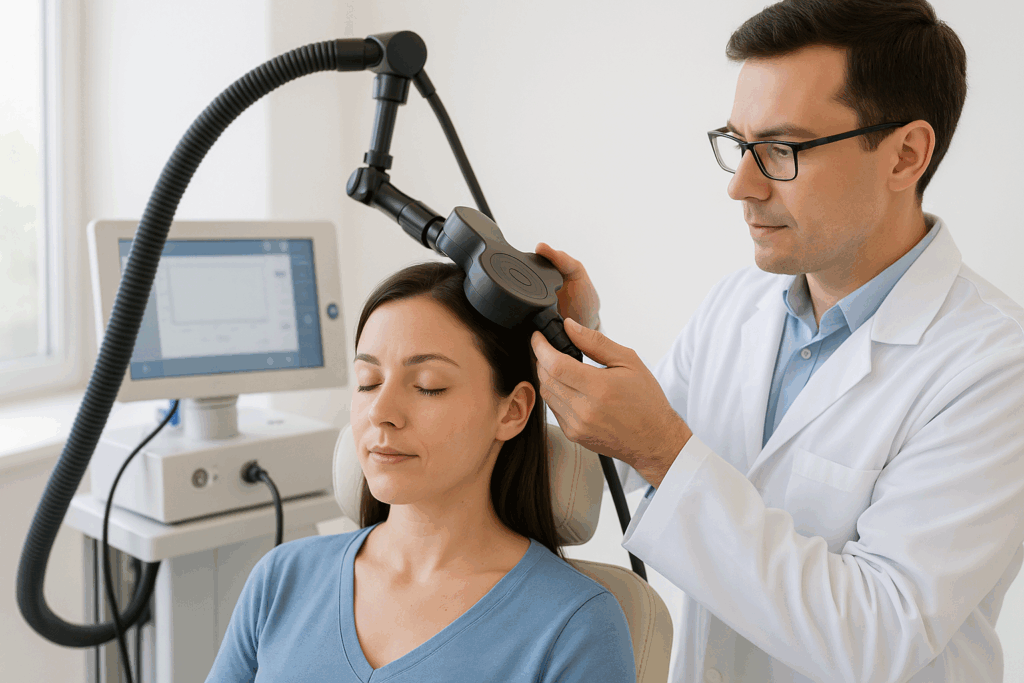


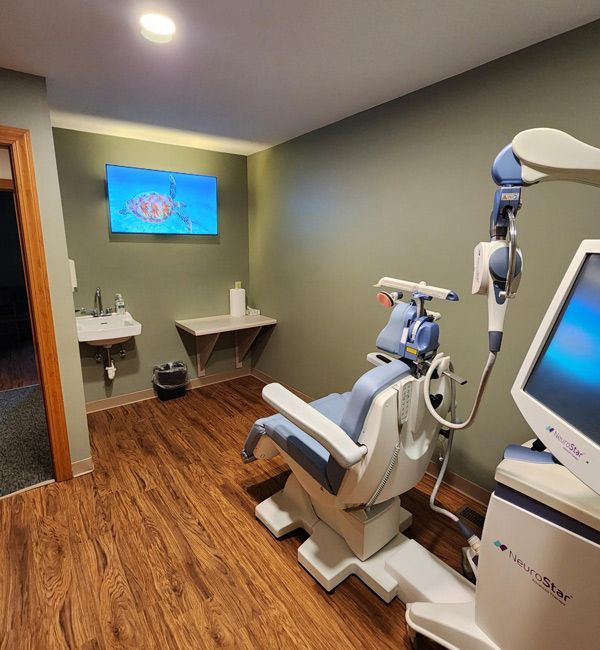


Accentus Mental Health cares greatly about your mental health. If you reside in or near Indianapolis, Greenwood, Franklin, Whiteland, Bargersville, Mooresville, Martinsville, Monrovia, Plainfield, Avon, or the surrounding area, we will help you live the life you were meant to live. Our services are covered by most insurance plans, are FDA-cleared, non-invasive, and involve no drug side effects.