Confirmed Diagnosis
TMS is an FDA-cleared medical treatment primarily for adults diagnosed with Major Depressive Disorder (MDD) or Obsessive-Compulsive Disorder (OCD) experiencing persistent symptoms.
5136 East Stop 11 Rd, Suite 30
Indianapolis, Indiana, 46237
Hours
Mon - Fri: 8am - 5pm
Sat - Sun: Closed
If depression persists despite trying medications, talk therapy, and dose adjustments, non-invasive TMS therapy may be an effective next step. Here is what clinicians and insurance providers evaluate to determine if you qualify.
TMS is an FDA-cleared medical treatment primarily for adults diagnosed with Major Depressive Disorder (MDD) or Obsessive-Compulsive Disorder (OCD) experiencing persistent symptoms.
Candidates typically have tried multiple antidepressant medications or therapy without sufficient relief, or stopped medications due to intolerable side effects.
Treatment involves daily 20–40 minute sessions conducted 5 days a week across 4 to 6 weeks. No anesthesia is required, allowing you to drive home immediately.
A preliminary clinical evaluation checks medical factors, including screening for implanted metallic devices or a history of seizures, to ensure safe administration.
When depression keeps affecting your work, relationships, sleep, energy, and daily routines, it can be discouraging to hear that the next step is simply another medication. Many people in Indianapolis and Avon have already tried medication, therapy, dose changes, and coping strategies, yet still do not feel like themselves.
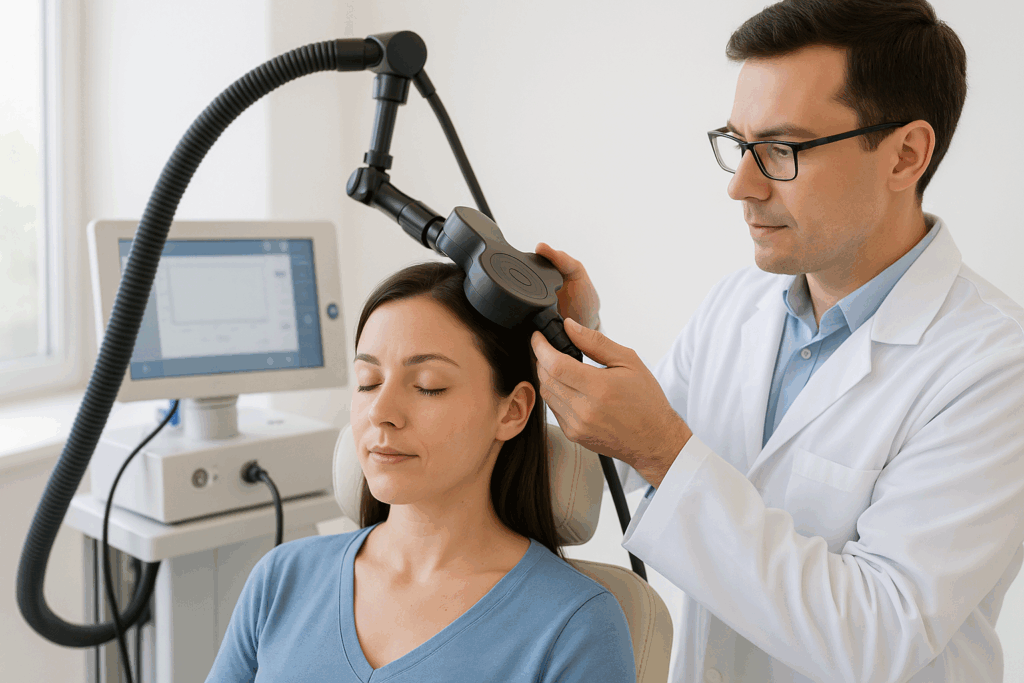
That is often when patients begin asking whether they qualify for TMS therapy in Indianapolis. Transcranial magnetic stimulation, commonly called TMS, is a non-invasive outpatient treatment that uses targeted magnetic pulses to stimulate areas of the brain involved in mood regulation. It does not require anesthesia, and patients remain awake during treatment.
TMS is not right for everyone. A consultation helps determine whether your diagnosis, treatment history, safety factors, and insurance requirements line up.
Depression treatment often begins with psychotherapy, medication, lifestyle support, or a combination of approaches. These options help many people, but they do not help everyone enough. The Mayo Clinic notes that repetitive TMS is commonly used when standard depression treatments, such as medicines and talk therapy, have not been effective.
Accentus Mental Health focuses on advanced care for people who are still struggling with depression, major depressive disorder, obsessive compulsive disorder, and related mood concerns. If you live in or near Indianapolis, Greenwood, Franklin, Whiteland, Bargersville, Mooresville, Martinsville, Monrovia, Plainfield, Avon, or nearby communities, TMS may be worth discussing.
Every patient is different, but most TMS evaluations look at a few core areas. These factors do not guarantee approval, but they can help you recognize when a consultation makes sense.
TMS is most often discussed for people with major depressive disorder, especially when symptoms continue despite treatment. Symptoms may include persistent sadness, loss of interest, low motivation, fatigue, sleep changes, appetite changes, hopelessness, irritability, and difficulty functioning.
A formal diagnosis matters because TMS is a medical treatment, not a general wellness service. During a consultation, a provider will review your symptoms, history, and previous care to determine whether
TMS for depression may be appropriate.
Many insurance plans and clinical evaluations look for a history of antidepressant treatment that did not provide a strong enough response. That may include medications that helped only a little, worked for a time and then stopped helping, or caused side effects that made them difficult to continue.
The exact number and type of medication trials can vary by plan and clinical situation. A consultation can help organize this history and clarify what may be needed.
Therapy or Medication Management Has Not Fully Resolved Symptoms
TMS is often considered when a person has pursued evidence-based care but continues to feel stuck. In many cases, TMS is part of a broader plan that may include continued therapy, medication support, and regular monitoring.
Accentus offers psychotherapy and medication management alongside advanced treatment options, which can help patients who need a more complete plan rather than a single service in isolation.
Medication Side Effects Have Made Treatment Hard to Continue
Some people stop medication because side effects interfere with daily life. Weight changes, sexual side effects, sleep disruption, fatigue, emotional blunting, nausea, and other issues can make it hard to stay with a medication plan.
A provider will want to know which medications you tried, how long you took them, what dose you reached, whether you had side effects, and why the medication was changed or stopped.
You Can Commit to a Series of Outpatient Visits
TMS is not typically a one-time appointment. A full course usually involves repeated outpatient sessions over several weeks. Mayo Clinic notes that repetitive TMS is generally carried out daily, five times a week, for four to six weeks. Your exact schedule depends on the protocol recommended by your provider.

Because TMS uses magnetic pulses, safety screening is an important part of qualification. Tell your provider if you have a history of seizures, epilepsy, bipolar disorder, psychosis, brain injury, stroke, frequent severe headaches, pregnancy, or implanted metal or electrical devices.
This does not automatically mean you cannot receive TMS. It means your provider needs the full picture. Mayo Clinic advises patients to discuss implanted medical devices, seizure history, other mental health conditions, current medications, and other medical concerns before treatment.
Insurance qualification can be confusing because coverage depends on your plan, diagnosis, benefits, prior treatment history, and documentation. Accentus notes that TMS is covered by most insurance plans for adult patients with major depressive disorder who have tried traditional treatment, such as antidepressant medications and therapy, but continue to experience poor quality of life.
A CMS Local Coverage Determination for TMS describes medical necessity criteria for adults with major depressive disorder, including a confirmed diagnosis, prior medication treatment history, psychotherapy history, and treatment delivered with an FDA-cleared device under appropriate supervision. Commercial plans may use their own criteria, but the same themes often appear.
Helpful documentation may include your diagnosis, current symptoms, medication list, past medication trials, side effects, therapy history, and scores from standardized depression measures. Completing a depression screening can also help start a more informed conversation, although screening tools do not replace a clinical evaluation.
The goal of a consultation is to understand your needs and determine whether TMS makes sense. You can expect questions about your symptoms, how long you have been struggling, what treatments you have tried, and what you hope will change.
Your provider may also discuss other options that fit your needs, including medication adjustments, therapy, SPRAVATO, IV ketamine therapy, or TMS. This matters because people with treatment-resistant depression do not all need the same path.
If TMS appears appropriate, next steps may include insurance verification, prior authorization if required, scheduling, safety review, and treatment planning. If TMS does not appear to be the best fit, the consultation can still help you identify a better direction.
Your provider reviews symptoms, diagnosis, medications, and previous treatments.
Safety factors and insurance requirements are evaluated.
If appropriate, treatment scheduling and insurance authorization begin.
Outpatient sessions begin using your personalized treatment protocol.
TMS may also be part of the conversation for some people with OCD. The FDA announcement on TMS for OCD states that the FDA permitted marketing of a deep TMS system for treatment of obsessive compulsive disorder in 2018. Accentus also provides information on TMS for OCD for people in the Indianapolis area who are dealing with intrusive thoughts, compulsions, and symptoms that have not improved enough with traditional care.
Coverage for OCD and other conditions may vary more than coverage for major depressive disorder. Ask directly during your consultation so the team can review your diagnosis, plan details, and treatment goals.
You do not need to have everything perfectly organized before asking for help, but a few details can make the consultation more productive. Bring or prepare:
This information helps the provider evaluate whether you may qualify clinically and whether your insurance plan may require additional documentation.
If depression has continued despite medication, therapy, or other support, you do not have to decide on your own whether TMS is right for you. Accentus Mental Health can review your history, answer questions, and help you understand whether TMS therapy is a realistic next step.
Accentus serves patients in Indianapolis, Avon, Greenwood, Franklin, Whiteland, Bargersville, Mooresville, Martinsville, Monrovia, Plainfield, and nearby Central Indiana communities. To take the next step, schedule a consultation and ask whether TMS therapy may be appropriate for your symptoms, treatment history, and goals.
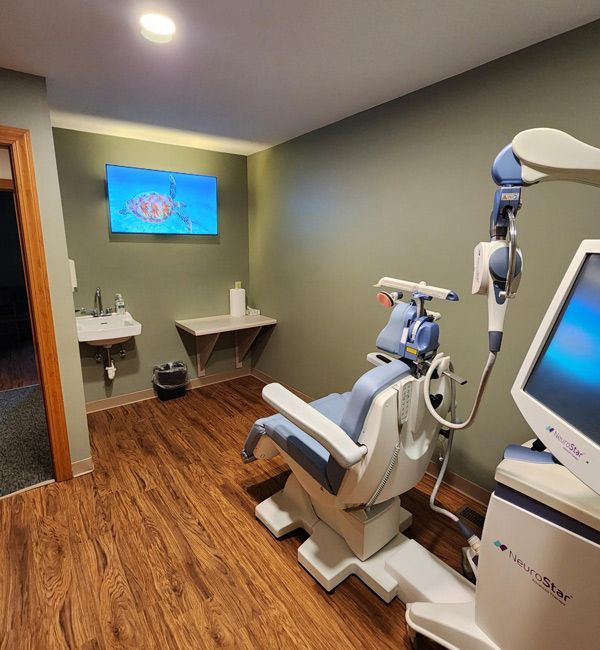
Accentus Mental Health provides comprehensive clinical evaluations and custom treatment settings in Indianapolis.
Experiencing depression or a neurological disorder? Remember, you are not alone. Get help today!





Accentus Mental Health cares greatly about your mental health. If you reside in or near Indianapolis, Greenwood, Franklin, Whiteland, Bargersville, Mooresville, Martinsville, Monrovia, Plainfield, Avon, or the surrounding area, we will help you live the life you were meant to live. Our services are covered by most insurance plans, are FDA-cleared, non-invasive, and involve no drug side effects.